The Ultimate Guide to Waterproofing Fabrics for Proposals and Tenders
Category : | Sub Category : Posted on 2024-10-05 22:25:23
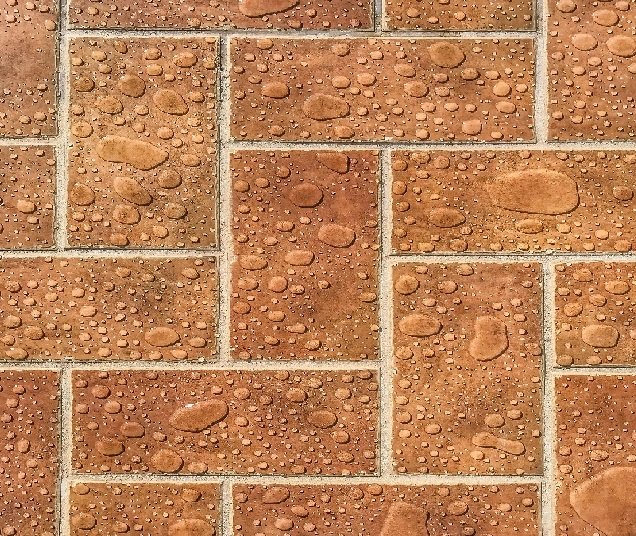
When it comes to Proposals and tenders, ensuring that your fabric materials are waterproof can make a significant difference in the quality and durability of your final products. Waterproofing fabrics is a crucial step in protecting them from moisture, stains, and overall wear and tear. In this guide, we will delve into the world of waterproofing fabrics for proposals and tenders, exploring the different methods, benefits, and applications of waterproofing. Methods of Waterproofing Fabrics There are several methods of waterproofing fabrics, each with its own advantages and suitability for different types of materials. Some of the most common methods include: 1. DWR (Durable Water Repellent) Coating: DWR coatings are applied to the surface of the fabric to make it water-resistant. This coating does not make the fabric fully waterproof but helps water bead off the surface instead of soaking in. 2. Waterproof Coatings: Waterproof coatings are applied to the fabric to create a barrier that prevents water from penetrating the material. These coatings are often made from synthetic materials such as polyurethane or silicone. 3. Laminates and Membranes: Laminates and membranes are thin films that are bonded to the fabric to create a fully waterproof barrier. These materials are often used in outerwear and technical fabrics where high levels of waterproofing are required. Benefits of Waterproofing Fabrics Waterproofing fabrics offer a range of benefits for proposals and tenders, including: 1. Protection from Moisture: Waterproof fabrics repel water, keeping the material dry and preventing moisture from seeping through. 2. Stain Resistance: Waterproof fabrics are also more resistant to stains, making them easier to clean and maintain. 3. Durability: Waterproofing can improve the overall durability of fabric materials, increasing their lifespan and reducing the need for frequent replacements. Applications of Waterproofing Fabrics in Proposals and Tenders Waterproofing fabrics can be applied to a wide range of materials and products for proposals and tenders, including: 1. Outdoor Gear: Waterproof fabrics are commonly used in outdoor gear such as jackets, tents, and backpacks to protect users from the elements. 2. Workwear: Waterproof fabrics are also popular in workwear and uniforms for industries that require protection from moisture and stains, such as construction and outdoor work. 3. Upholstery: Waterproof fabrics can be used in upholstery for furniture, automotive interiors, and other applications where protection from spills and stains is necessary. In conclusion, waterproofing fabrics is an essential process for ensuring the quality, durability, and performance of materials used in proposals and tenders. By understanding the different methods, benefits, and applications of waterproofing, businesses can effectively incorporate this technology into their products to offer superior protection and value to their clients. Whether you are working on outdoor gear, workwear, or upholstery projects, waterproofing fabrics can elevate the quality of your proposals and tenders, setting you apart in a competitive market.
https://impermeables.org
Leave a Comment:
SEARCH
Recent News
- Trend Alert: 5 Stylish Ways to Wear Wool Stoles for Women
- Winter Stoles: The Must-Have Accessory for Women's Winter Wardrobe
- Women's Clothing Trends Imported and Exported in Vancouver
- Vancouver is known for its thriving fashion scene, and one sector that shines bright in the city is women's clothing businesses. From trendy boutiques to upscale designer labels, Vancouver offers a wide range of options for fashion-forward women looking to update their wardrobe.
- Are you looking to overhaul your wardrobe with stylish and trendy women's clothing in Vancouver? Look no further! Vancouver is home to some amazing companies that specialize in women's fashion, offering a wide range of options for every style and budget. Whether you're in need of fashionable work attire, casual weekend wear, or a show-stopping outfit for a special event, these Vancouver-based companies have got you covered. Let's take a look at some of the best women's clothing companies in Vancouver that are guaranteed to elevate your style game:
- Women in the UK who are involved in the fashion industry often require support and guidance to navigate the complexities of running a successful business. Thankfully, the UK government offers various business support programs designed to assist women in the clothing sector and help them thrive in the competitive market.
- When it comes to exporting and importing women's clothes in the UK, there are several rules and regulations that businesses need to be aware of to ensure a smooth and successful process. These rules help to maintain quality standards, protect consumers, and facilitate fair trade practices. Understanding these guidelines is crucial for companies involved in the import and export of women's clothing in the UK.
- Fashion Highlights: Women's Clothing Trends from Tunisia
READ MORE
10 months ago Category :

Trend Alert: 5 Stylish Ways to Wear Wool Stoles for Women
Read More →10 months ago Category :

Winter Stoles: The Must-Have Accessory for Women's Winter Wardrobe
Read More →10 months ago Category :

Women's Clothing Trends Imported and Exported in Vancouver
Read More →10 months ago Category :
