Innovations in Waterproofing Fabrics for Robot Toys
Category : | Sub Category : Posted on 2024-10-05 22:25:23
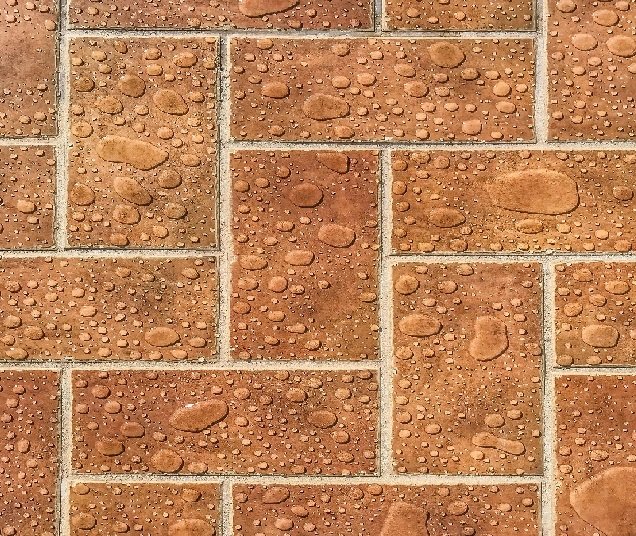
In recent years, the popularity of robot toys has surged, captivating the interest of children and adults alike. These interactive and often expensive gadgets are prone to damage from water exposure, posing a challenge for manufacturers and users alike. To address this issue, innovators in the industry have been focusing on developing waterproofing fabrics specifically designed for robot toys. Traditional waterproofing methods for fabrics typically involve coating them with chemicals that create a barrier against water penetration. While effective to some extent, these coatings can wear off over time and compromise the fabric's water resistance. Moreover, they may affect the fabric's breathability and overall flexibility, impacting the performance and comfort of the robot toy. To overcome these limitations, researchers and engineers have been exploring alternative approaches to waterproofing fabrics for robot toys. One promising solution involves integrating nanotechnology into the fabric manufacturing process. Nanomaterials, such as nanoparticles and nanofibers, can be infused into the fabric at the molecular level, creating a durable and long-lasting water-repellent coating. These nanotechnology-based waterproofing fabrics offer several advantages over traditional methods. They provide enhanced water resistance without compromising breathability or flexibility, ensuring optimal performance of the robot toy. Additionally, the nanomaterials used in these fabrics are non-toxic and environmentally friendly, making them a sustainable choice for manufacturers and consumers. Another innovative approach to waterproofing fabrics for robot toys is the development of smart textiles. These fabrics are embedded with sensors that can detect water exposure and automatically activate a protective barrier to repel moisture. This proactive waterproofing technology not only safeguards the robot toy from damage but also enhances its interactive features, adding a new dimension to the play experience. As the demand for waterproof robot toys continues to grow, the development of advanced waterproofing fabrics will play a crucial role in enhancing the durability and functionality of these gadgets. By leveraging cutting-edge technologies and materials, manufacturers can create robot toys that are not only water-resistant but also high-performing and sustainable. In conclusion, the integration of nanotechnology and smart textiles into the manufacturing of waterproofing fabrics for robot toys represents a significant advancement in the industry. These innovative solutions offer improved water resistance, durability, and functionality, setting a new standard for future developments in the realm of interactive gadgets. As technology continues to evolve, we can expect to see even more sophisticated and resilient waterproof robot toys entering the market, delighting enthusiasts of all ages.
https://impermeables.org
Leave a Comment:
SEARCH
Recent News
- Trend Alert: 5 Stylish Ways to Wear Wool Stoles for Women
- Winter Stoles: The Must-Have Accessory for Women's Winter Wardrobe
- Women's Clothing Trends Imported and Exported in Vancouver
- Vancouver is known for its thriving fashion scene, and one sector that shines bright in the city is women's clothing businesses. From trendy boutiques to upscale designer labels, Vancouver offers a wide range of options for fashion-forward women looking to update their wardrobe.
- Are you looking to overhaul your wardrobe with stylish and trendy women's clothing in Vancouver? Look no further! Vancouver is home to some amazing companies that specialize in women's fashion, offering a wide range of options for every style and budget. Whether you're in need of fashionable work attire, casual weekend wear, or a show-stopping outfit for a special event, these Vancouver-based companies have got you covered. Let's take a look at some of the best women's clothing companies in Vancouver that are guaranteed to elevate your style game:
- Women in the UK who are involved in the fashion industry often require support and guidance to navigate the complexities of running a successful business. Thankfully, the UK government offers various business support programs designed to assist women in the clothing sector and help them thrive in the competitive market.
- When it comes to exporting and importing women's clothes in the UK, there are several rules and regulations that businesses need to be aware of to ensure a smooth and successful process. These rules help to maintain quality standards, protect consumers, and facilitate fair trade practices. Understanding these guidelines is crucial for companies involved in the import and export of women's clothing in the UK.
- Fashion Highlights: Women's Clothing Trends from Tunisia
READ MORE
10 months ago Category :

Trend Alert: 5 Stylish Ways to Wear Wool Stoles for Women
Read More →10 months ago Category :

Winter Stoles: The Must-Have Accessory for Women's Winter Wardrobe
Read More →10 months ago Category :

Women's Clothing Trends Imported and Exported in Vancouver
Read More →10 months ago Category :
