Waterproofing Fabrics: A Key Survey Contribution
Category : | Sub Category : Posted on 2024-10-05 22:25:23
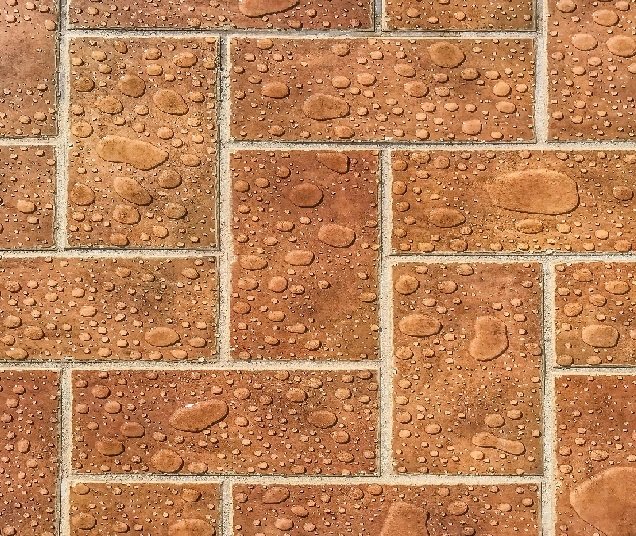
Waterproof fabrics are essential for a wide range of industries, from outdoor recreation to fashion and beyond. But what goes into making fabrics waterproof, and how can we improve these technologies through surveys and research contributions? Let's delve into this important topic. One of the key factors in waterproofing fabrics is the use of specialized coatings or treatments. These can include durable water repellent (DWR) finishes, laminates, or membranes that prevent water from seeping through the fabric. Manufacturers must constantly innovate and improve these materials to meet the demands of consumers who expect high performance in wet conditions. Surveys play a crucial role in understanding consumer preferences, usage patterns, and feedback on existing waterproofing technologies. By collecting data through surveys, researchers can gain valuable insights into what works well and what can be improved upon. This information can then be used to guide future research and development efforts in creating more effective waterproof fabrics. In addition to consumer feedback, surveys can also help manufacturers assess the environmental impact of their waterproofing technologies. As sustainability becomes an increasingly important concern in the textile industry, understanding the lifecycle of waterproof fabrics and the chemicals used in their production is vital. Surveys can provide valuable data on consumer attitudes towards sustainability, allowing manufacturers to make more informed decisions about their products. Furthermore, surveys can aid in identifying trends and emerging preferences in waterproofing fabrics. As consumer preferences evolve and new outdoor activities gain popularity, manufacturers need to stay ahead of the curve to meet changing demands. Surveys can help highlight emerging trends, such as the rise of eco-friendly waterproofing solutions or the demand for versatile fabrics that perform well in a variety of conditions. Overall, surveys are a valuable tool in improving waterproof fabrics. By collecting feedback from consumers, assessing environmental impacts, and identifying trends, researchers and manufacturers can work together to create innovative, high-performance fabrics that meet the needs of a diverse and ever-changing market. In this way, surveys make a significant contribution to the ongoing development of waterproofing technologies and fabrics.
https://impermeables.org
Leave a Comment:
SEARCH
Recent News
- Trend Alert: 5 Stylish Ways to Wear Wool Stoles for Women
- Winter Stoles: The Must-Have Accessory for Women's Winter Wardrobe
- Women's Clothing Trends Imported and Exported in Vancouver
- Vancouver is known for its thriving fashion scene, and one sector that shines bright in the city is women's clothing businesses. From trendy boutiques to upscale designer labels, Vancouver offers a wide range of options for fashion-forward women looking to update their wardrobe.
- Are you looking to overhaul your wardrobe with stylish and trendy women's clothing in Vancouver? Look no further! Vancouver is home to some amazing companies that specialize in women's fashion, offering a wide range of options for every style and budget. Whether you're in need of fashionable work attire, casual weekend wear, or a show-stopping outfit for a special event, these Vancouver-based companies have got you covered. Let's take a look at some of the best women's clothing companies in Vancouver that are guaranteed to elevate your style game:
- Women in the UK who are involved in the fashion industry often require support and guidance to navigate the complexities of running a successful business. Thankfully, the UK government offers various business support programs designed to assist women in the clothing sector and help them thrive in the competitive market.
- When it comes to exporting and importing women's clothes in the UK, there are several rules and regulations that businesses need to be aware of to ensure a smooth and successful process. These rules help to maintain quality standards, protect consumers, and facilitate fair trade practices. Understanding these guidelines is crucial for companies involved in the import and export of women's clothing in the UK.
- Fashion Highlights: Women's Clothing Trends from Tunisia
READ MORE
10 months ago Category :

Trend Alert: 5 Stylish Ways to Wear Wool Stoles for Women
Read More →10 months ago Category :

Winter Stoles: The Must-Have Accessory for Women's Winter Wardrobe
Read More →10 months ago Category :

Women's Clothing Trends Imported and Exported in Vancouver
Read More →10 months ago Category :
